

NCERT Solutions for Class 8 Social Science Part 1 Chapter 1 Natural Resources and Their Use are provided here with simple and easy-to-understand explanations. Based on the NCERT textbook Exploring Society: India and Beyond Part 1, this chapter introduces the types of natural resources, their distribution, and the importance of using them responsibly. These NCERT Solutions for Class 8 help students understand important concepts, complete textbook activities, and revise the chapter for school examinations.
Natural Resources and Their Use Class 8 Questions and Answers
The Big Questions (Page 1)
1: How do We Categorize Natural Resources?
Answer: Natural resources are elements found in the environment that humans use for various purposes. They can be categorised based on their use and renewability.
1. By use:
- Essential resources: These are things we need to live, like air, water, and soil.
Without them, life cannot exist. - Material resources: These are things we use to make useful objects. For example – wood, marble, coal, iron, and gold.
- Energy resources: These give us power to run machines, lights, and vehicles. For example – coal, petroleum, sunlight, wind, and water.
2. By renewability:
- Renewable resources: These can be naturally replaced or renewed, like solar energy, wind, water, and timber.
- Non-renewable resources: These take millions of years to form and cannot be replaced easily, like coal, petroleum, and minerals.
2: What is the Connection Between the Distribution of Natural Resources and Different Aspects of Life?
Answer: The distribution of natural resources is uneven across the world and even within a country. This uneven distribution affects many aspects of human life. People choose to live where resources like water, fertile soil, and minerals are available. Industries are also set up in such places to make use of these resources, which provides jobs and improves the economy. Sometimes, the unequal distribution of resources also causes conflicts between regions or countries, such as the Kaveri River water dispute between Karnataka and Tamil Nadu. Thus, the distribution of natural resources has a strong effect on where people live, their work, their economic growth.
3: What Are the Implications of Unsustainable Use / Over Exploitation of Natural Resources?
Answer: Unsustainable use or over-exploitation of natural resources can cause many long-term problems. When we use resources too much, they start depleting and may not be available for future generations. This also harms the environment as plants, animals, and their homes get destroyed. If we use renewable resources like water and soil very quickly, they cannot recover in time. People who depend on these resources for farming, fishing, or other work may face difficulties and lose their income. Over-use also leads to bigger problems like pollution, climate change, and even fights over the remaining resources.
Think About It (Page 3)
1: Take a pause. Look at yourself and the things around you. What is the origin of each of them? At some point they all lead to Nature; even the plastic button on your shirt.
Answer: Everything around us comes from nature in some way. The things we use in our daily life like clothes, books, furniture, food, and even plastic items are all made from materials that come from natural resources. For example, wood comes from trees, paper is made from wood pulp, and plastic is made from petroleum, which is also found in nature. Metals come from minerals found in the earth. This shows that everything we use finally leads back to nature.
2: What might be the different criteria we can use to categorise natural resources?
Answer: Natural resources can be categorised in different ways. Based on their uses we can categorise them in essential resources, material resources and energy resources. Another way to classify them is based on renewability. Resources like sunlight, wind, and water are renewable because they can be replaced naturally, while coal and petroleum are non-renewable because they take millions of years to form.
Don’t Miss out (Page 6)
Question: Do you know of other traditional practices that help the ecosystem to stay in balance?
Answer: Yes, there are many traditional practices in India that help the ecosystem stay in balance. For example, people used to plant trees around villages and protect sacred groves where cutting trees was not allowed. Farmers followed crop rotation and mixed cropping to keep the soil fertile. In some coastal areas, people avoided fishing during the breeding season to allow fish to grow and reproduce. In villages, water harvesting through ponds and tanks helped to save rainwater. These traditional methods show respect for nature and help in maintaining the balance of the ecosystem.
Let’s Explore (Page 7)
Question: Identify human actions in your surroundings that result in Nature losing her ability to restore and regenerate. What types of interventions can be undertaken to restore Nature’s cycle?
Answer: In our surroundings, many human actions cause Nature to lose her ability to restore and regenerate. These include cutting down trees, polluting rivers and lakes with waste, using too many chemical fertilisers and pesticides, and overusing groundwater for farming and daily use. Factories and vehicles that release smoke also disturb the natural balance by polluting the air.
To restore Nature’s cycle, we can take several helpful steps. We should plant more trees, reduce pollution, and use organic farming methods instead of chemicals. People can also harvest rainwater, recycle waste, and use renewable sources of energy like solar and wind power.
Let’s Explore (Page 8)
Question: What are the non-renewable resources that you use daily, directly or indirectly? What are the possible renewable substitutes? What are some of the steps we can take to transition to renewables?
Answer: Every day, we use many non-renewable resources. Petrol and diesel are used in cars and buses. Electricity made from coal is used in our homes, industries. We also use plastic items, which come from petroleum.
We can also use renewable substitutes instead. Solar energy can replace electricity from coal. Electric vehicles and bicycles can reduce petrol use. Wind energy and hydropower can also provide clean power. Instead of plastic, we can use cloth bags or other eco-friendly materials.
To move towards renewables, we should save electricity, use public transport, and support solar and wind energy. Governments can build more renewable power plants and encourage people to use clean energy. By doing these steps, we can protect nature and ensure resources for the future.
Let’s Explore (Page 10)
Question: Select any two natural resources. Gather information about their availability across different parts of India. Mark them on a map. What do you observe about their distribution? What are the types of economic activities connected with them?
Answer:
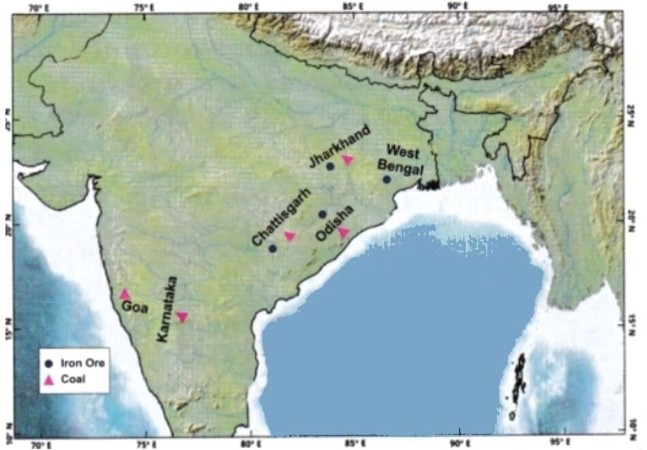
Coal and iron ore are two important natural resources found in different parts of India. Coal is mainly found in Jharkhand, Chhattisgarh, Odisha, West Bengal, and Madhya Pradesh. Iron ore is mostly found in Odisha, Jharkhand, Chhattisgarh, Karnataka, and Goa.
The distribution of these resources is uneven. Most of the coal and iron ore deposits are located in the eastern and southern parts of India. The main economic activities linked with these resources are mining, steel production, electricity generation, and transport industries.
Question: Discuss the implications of extracting the natural resources in those parts for current and future generations. Suggest ways in which we can use Nature’s gifts in responsible ways.
Answer: The extraction of natural resources such as coal and iron ore has both benefits and problems. For the current generation, mining provides jobs, electricity, and industrial growth. It helps in building cities, transport, and industries. However, for the future generations, over-extraction can cause serious harm. It leads to deforestation, loss of soil fertility, water pollution, and air pollution. Mining also makes the land unfit for farming and affects the health of local people.
To use Nature’s gifts responsibly, we must follow sustainable practices. We should use modern and less-polluting technologies for mining, recycle metals, and replant trees in mining areas. We must also reduce energy waste, promote renewable sources like solar and wind energy.
Let’s Explore (Page 11)
Question: What do you think are the different inputs required to enable the use of the natural resources available in different geographical areas?
Answer: To effectively utilise natural resources in various geographical areas, several essential inputs are required. A skilled workforce is necessary to manage and develop resources efficiently. Good governance helps ensure fair use of resources and prevents corruption. Strategic planning is required to avoid overdependence on one single resource and to promote balanced development. Infrastructure investment, such as building roads, electricity, and transport systems, is essential for extracting and distributing resources. The use of modern technology allows for safe and efficient extraction and processing of resources. Finally, market access is needed so that countries can sell their resources and products at fair prices.
Questions and Activities (Page 19)
1: What can make what is today a renewable resource non-renewable tomorrow? Describe some actions that can prevent this from happening.
Answer: A renewable resource can become non-renewable if it is consumed faster than it can regenerate. For example, cutting more trees than new ones can grow will lead to deforestation. Taking water from underground sources faster than it can be replenished leads to fall in groundwater level. These can make today a renewable resource non-renewable tomorrow.
To prevent renewable resources from becoming non-renewable, we can:
- Implement sustainable management practices.
- Control water harvesting to ensure natural replenishment.
- Reduce waste and use resources efficiently.
- Engage in restoration efforts, like reforestation and water conservation technologies.
2: Name five ecosystem functions that serve humans.
Answer: Ecosystems provide several crucial functions that directly support human life and well-being. These include:
- Production of Oxygen: Trees and plants produce oxygen, which is essential for humans and animals to breathe.
- Water Purification: Forests and wetlands naturally filter and clean water before it reaches rivers and lakes.
- Soil Fertility: Decomposers like worms and bacteria break down dead matter to make the soil rich and fertile for farming.
- Pollination: Insects, birds, and wind help in pollinating crops and plants, which allows fruits, vegetables, and seeds to grow.
- Climate Regulation: Forests and oceans absorb carbon dioxide and help control the Earth’s temperature, reducing the effects of global warming.
3: What are renewable resources? How are they different from non-renewable ones? What can people do to ensure that renewable resources continue to be available for our use and that of future generations? Give two examples.
Answer: Renewable resources are natural resources that can be replaced or regenerated naturally over time. Examples include sunlight, wind, water, and forests.
They are different from non-renewable resources, which take millions of years to form and cannot be replaced quickly once used. Examples of non-renewable resources are coal, petroleum, and minerals.
To make sure renewable resources are available for future generations, people must use them carefully. We should save water, plant more trees, avoid cutting forests, and reduce pollution.
For example:
- Installing solar-powered street lighting reduces reliance on fossil fuels.
- Replanting trees after timber harvests ensures the forest can regenerate.
4: Identify cultural practices in your home and neighbourhood that point to mindfulness in the use of natural resources.
Answer: In our home and neighbourhood, many cultural practices show care for nature.
- Trees like the Peepal and Banyan are considered holy and protected, which helps in tree conservation.
- Small forest areas (sacred groves) are preserved because of their spiritual importance.
- People use natural materials like banana leaves, clay idols, and natural colours during celebrations.
- Rituals to clean and honour ponds and wells encourage the protection of water resources.
- Practices like fasting and avoiding waste promote reduced consumption and sustainable living.
5: What are some considerations to keep in mind in the production of goods for our current use?
Answer: When producing goods for current use, consider the following key factors:
- Use natural resources carefully and avoid waste.
- Reduce air, water, and soil pollution during production.
- Prefer renewable or recyclable materials.
- Protect plants, animals, and local communities.
- Use safe technology and good planning to reduce harm.
- Produce goods in a way that does not affect future generations negatively.
Class 8 Social Science Exploring Society Chapter 1 Questions and Answers
The chapter Natural Resources and Their Use explains how people depend on resources such as land, water, forests, minerals, and energy sources. Students learn to distinguish different categories of resources and understand why availability varies from place to place.
Students also explore how human activities affect resources and the environment. Familiar examples encourage them to consider conservation, responsible consumption, and the need to meet present needs while protecting resources for future generations.